

Aesthetic Gynecology
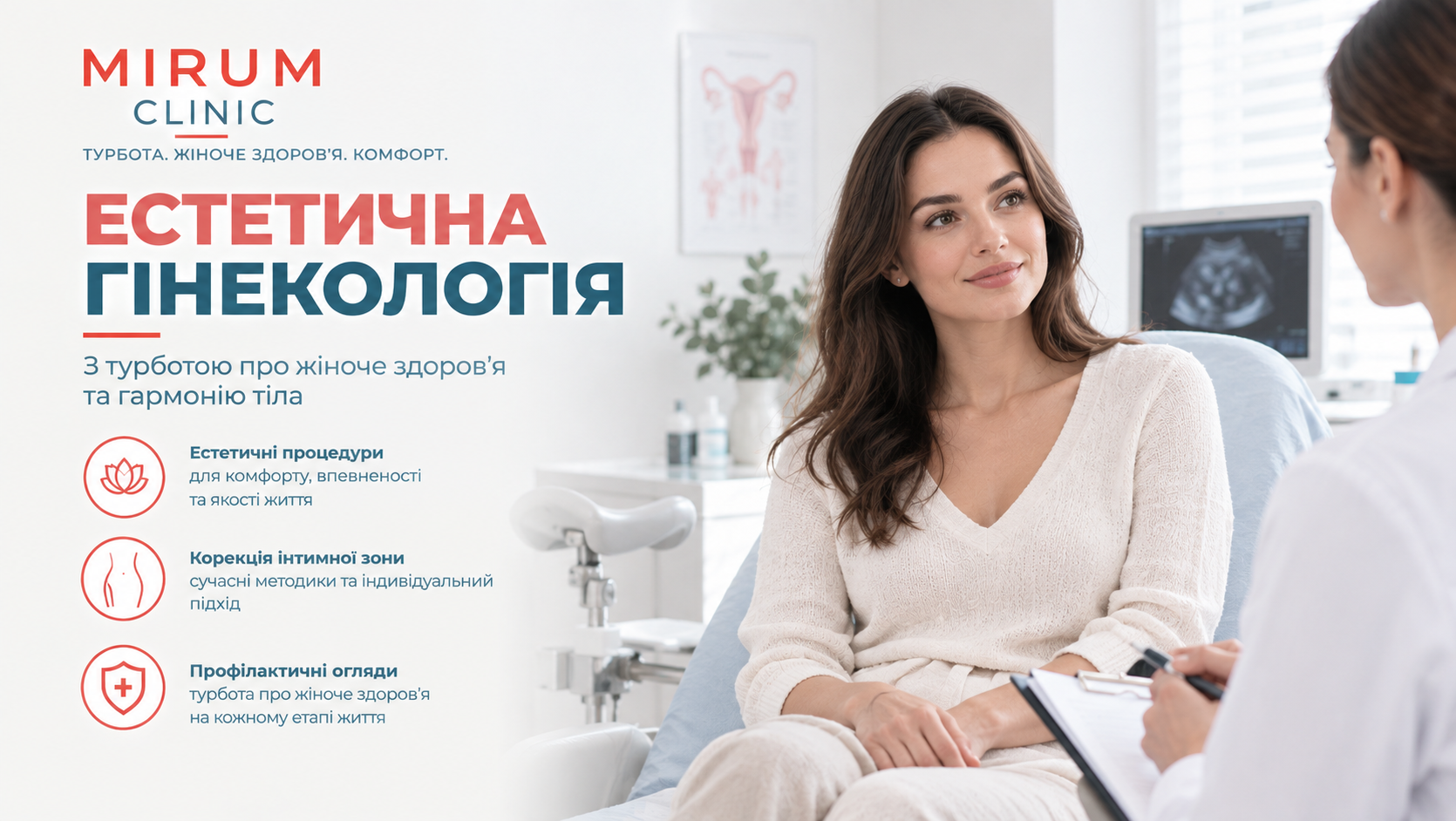
Aesthetic Gynecology
About the Procedure
Aesthetic gynecology is a field of medicine focused on correcting the intimate area, taking into account both its appearance and the woman’s physical comfort. Most often, this involves labiaplasty, a procedure to reduce or reshape the labia minora. It is not only about aesthetics, as is often assumed, but also about quality of life, since individual anatomical features of this area can cause discomfort in everyday life.
The labia minora can vary in size and shape naturally or change with age, after childbirth, or due to hormonal factors. In some cases, they may extend beyond the labia majora, which can cause friction, irritation, or even pain during movement or physical activity.
Labiaplasty allows the shape and size of the tissue to be adjusted while preserving its natural appearance and function. Modern techniques are designed to achieve a delicate and natural-looking result, without the appearance or sensation of having undergone an intervention.
When Is It Recommended?
- Aesthetic gynecology may be recommended not only for aesthetic reasons but also in cases of physical discomfort. Women most often seek treatment because of friction, irritation, or pain while walking, exercising, or wearing tight clothing.
- The procedure may also be appropriate if there is discomfort during sexual activity or a persistent feeling of moisture caused by anatomical features.
- The psychological aspect is also important. Some women feel self-conscious about the appearance of their intimate area, which can affect self-esteem and quality of life. In such cases, correction may help improve comfort and confidence.
- The procedure may also be recommended after childbirth or due to age-related changes, when the tissues lose their shape or become less elastic.
Why Is It Important?
The intimate area is just as much a part of the body as any other, and its condition directly affects everyday comfort. Constant friction, irritation, or pain may seem like minor issues, but over time they can accumulate and affect quality of life.
Labiaplasty can help address these issues and make everyday activities more comfortable. This applies both to physical sensations and psychological well-being.
In addition, modern techniques can achieve a very natural-looking result. The goal of the procedure is not to create an “ideal” appearance according to a particular standard, but to achieve a shape that is comfortable specifically for you.
It is also important to note that, when performed correctly, the procedure does not affect the primary functions of this area. In other words, it can be a safe way to improve quality of life without compromising sensitivity or other important aspects.
How Is the Procedure Performed?
- Labiaplasty is usually performed under local anesthesia, sometimes with additional sedation to help the patient feel as relaxed as possible. The procedure takes approximately one hour, depending on the extent of the correction.
- During the procedure, the surgeon carefully removes excess tissue and creates a new contour of the labia minora. Particular attention is paid to preserving their natural shape and sensitivity. Fine sutures are used, which gradually dissolve over time.
- Swelling, mild discomfort, or sensitivity may occur after the procedure. This is a normal reaction of the body. These symptoms usually gradually subside over the course of several days.
- Complete healing takes several weeks. During this period, it is important to follow the doctor’s recommendations to ensure optimal healing and the best possible result.
Patient Preparation
Preparation begins with a consultation with a gynecologist or plastic surgeon. The doctor assesses the patient’s anatomy, discusses expectations, and explains what kind of result can realistically be achieved.
Basic tests may be prescribed before the procedure to ensure there are no contraindications. It is important that there are no inflammatory processes or infections at the time of surgery.
Several days before the procedure, it is recommended to avoid alcohol and medications that affect blood clotting, if this has been agreed upon with the doctor.
After the procedure, it is necessary to maintain proper hygiene and avoid physical exertion, sports, and sexual intercourse for the period specified by the doctor. This is important for proper healing and achieving the desired result.