

Liposuction
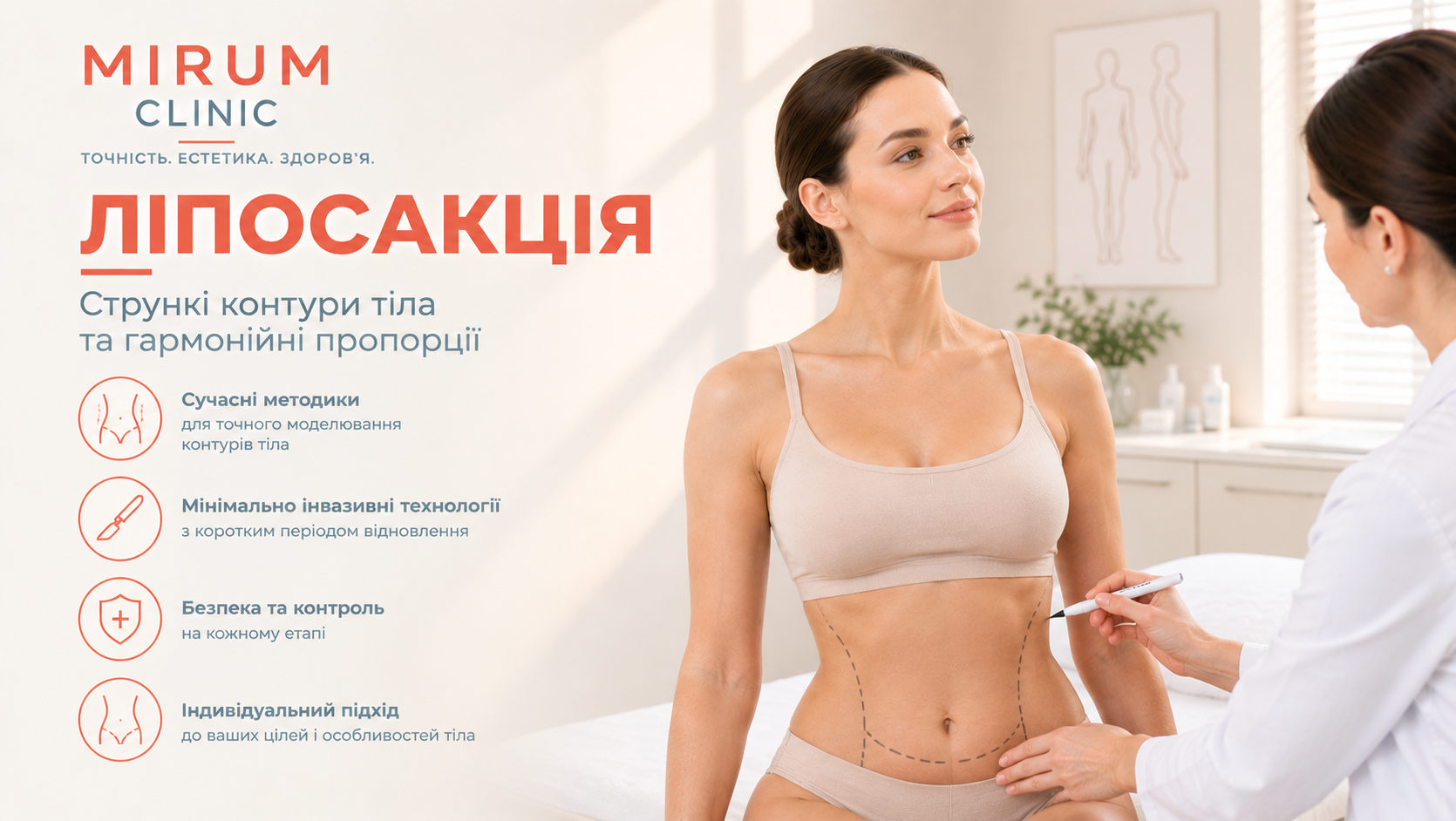
Liposuction
About the procedure
Liposuction is a surgical procedure that helps contour the body by removing localized fat deposits. It is important to understand from the outset that this is not a weight-loss procedure, but rather a way of reshaping areas that do not respond to exercise and diet. Many people have areas where fat accumulates regardless of their lifestyle, such as the abdomen, flanks, thighs, back, arms, or chin. Liposuction is designed to address these areas and help create more balanced body contours.
The essence of the procedure is that the doctor carefully removes excess fat through small incisions. However, the main goal is not simply to “remove volume,” but to create natural contours that look harmonious with the rest of the body. This is why liposuction is often part of a comprehensive correction when the goal is not only to reduce volume but also to improve the overall body shape.
When is it recommended?
Liposuction may be appropriate when a person has a stable weight but is dissatisfied with specific areas that look disproportionate or do not change even with an active lifestyle. This may be due to genetic factors, when the body tends to store fat in certain areas, or hormonal changes that affect how fat is distributed.
The procedure is also often considered after weight loss, when overall body volume has decreased but localized “fat pockets” remain, affecting the silhouette and making it difficult to achieve the desired result. Liposuction may also be appropriate in cases of asymmetry or differences in body contours that are difficult to correct with other methods.
It is important to understand that the best results are generally achieved by patients who are already at a comfortable, stable weight and want to improve their body shape rather than dramatically change their body.
Why is it important?
Localized fat deposits often affect the visual perception of the body more than the number on the scale. Even at a normal weight, a person may look less proportionate because of these specific areas. This can cause dissatisfaction with one’s appearance, limit clothing choices, or create discomfort in everyday life.
Liposuction allows the shape to be changed rather than simply reducing overall volume. This is what can create a more harmonious and toned appearance. The result can be long-lasting because the removed fat cells do not grow back, and with a stable weight, the body contours can be maintained.
In addition to the aesthetic aspect, the procedure can also improve comfort, as reducing volume in certain areas may decrease friction, make movement easier, and make physical activity more comfortable.
How is the procedure performed?
- Liposuction is performed under anesthesia, with the type selected individually depending on the extent of the procedure. Before starting, the doctor carefully marks the treatment areas to plan how the new body contours will be created.
- During the procedure, thin cannulas are inserted through small incisions. The doctor gradually and evenly removes fat tissue, paying attention not only to the volume but also to smooth transitions between different areas to achieve the most natural-looking result possible.
- Swelling, bruising, and a feeling of tightness may occur after the procedure. These are normal responses of the body to the intervention and gradually subside. Compression garments play an important role in recovery and should be worn to help the tissues adapt properly to their new shape.
The first changes can be noticeable relatively quickly, but the final result develops gradually as the swelling subsides and the body fully recovers.
Patient preparation
Preparation for liposuction begins with a consultation during which the doctor evaluates the condition of the tissues, determines which areas should be corrected, and discusses expectations to ensure that the desired result is realistic and achievable with the procedure.
Before surgery, standard tests are required to ensure that the intervention can be performed safely. You should also inform the doctor about any chronic medical conditions or medications you are taking.
Several days before the procedure, it is recommended to avoid alcohol, smoking, and medications that affect blood clotting, if this has been agreed with your doctor. On the day of surgery, it is important to be in a stable state of health and have no signs of illness.
After the procedure, you should follow the doctor’s recommendations, wear compression garments, limit physical activity, and attend follow-up appointments, as proper recovery plays an important role in determining the final result and its quality.