
Fat Grafting (Lipofilling)
Fat Grafting (Lipofilling)
About the Procedure
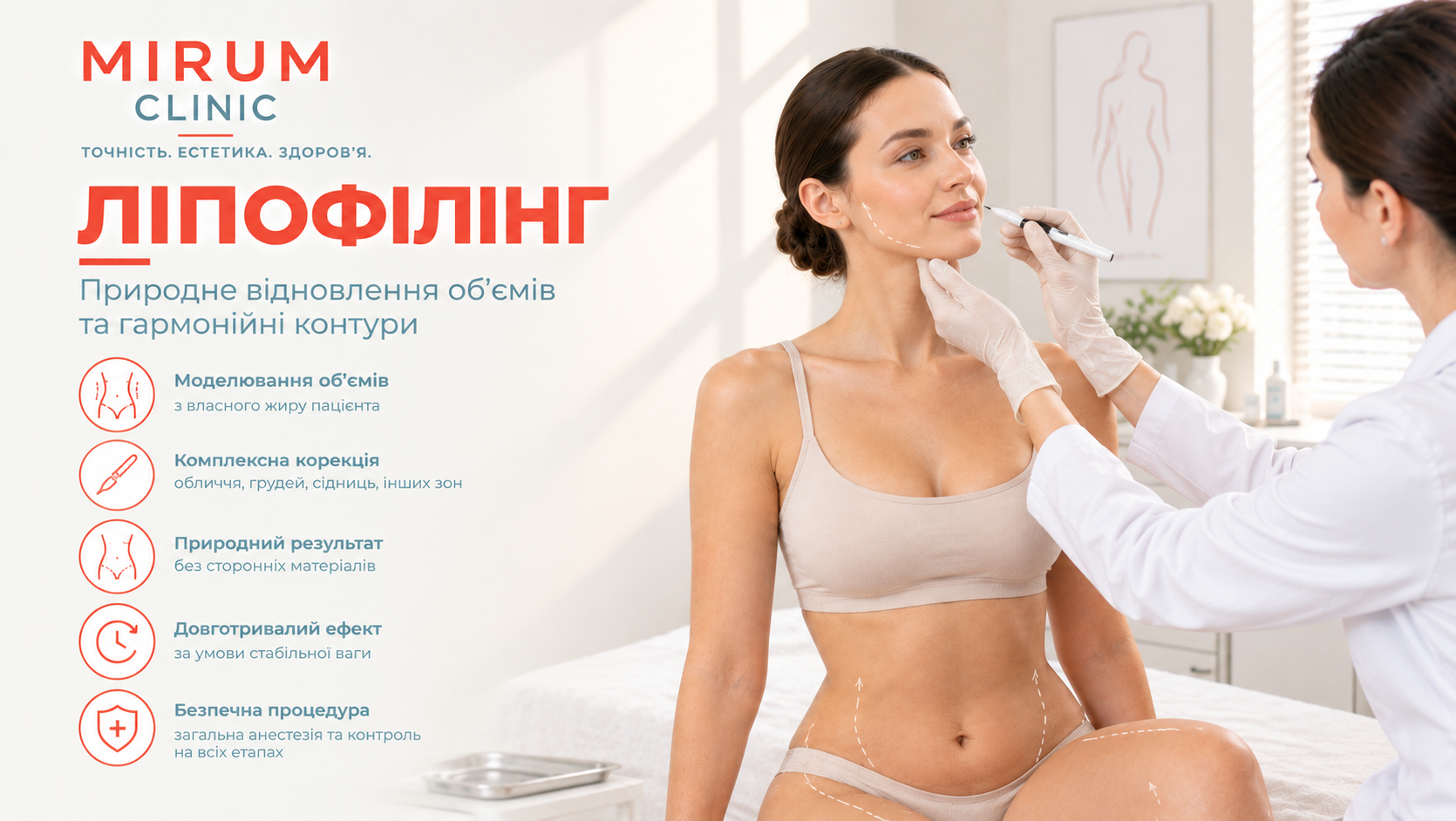
Fat grafting (lipofilling) is a procedure in which the patient’s own fat is used to restore or enhance volume and contour in the face or body. In other words, the fat is not introduced from an external source. It is taken from the patient’s own body, usually from areas such as the abdomen, thighs, or flanks, processed, and then injected into areas where additional volume is needed.
Lipofilling is most commonly used for the lips, cheeks, chin, and under-eye area, as well as for correcting asymmetry or age-related changes. For the body, it may be used to enhance the buttocks or restore volume after weight loss.
The key feature of the procedure is its natural-looking result. Since the patient’s own tissue is used, the risk of rejection is minimal, while the result can look soft and natural, without an overly augmented appearance.
When Is It Recommended?
- Lipofilling is suitable for people who want to add volume or improve contours without using synthetic fillers.
- It is often chosen for age-related changes, when the face loses volume, the cheeks become hollow, dark circles or hollows appear under the eyes, or the facial contour changes.
- The procedure may also be recommended to correct asymmetry or restore natural contours after injuries. For the body, it can be used to enhance or reshape certain areas without implants.
Important: the procedure requires a sufficient amount of the patient’s own fat, so it may not be suitable for very lean individuals.
Why Is It Important?
Lipofilling is not only about aesthetics but also about restoring volume using the body’s own tissue. With age, we lose subcutaneous fat, which can contribute to a tired-looking appearance even when the skin itself is in good condition.
Unlike fillers, some of the transferred fat can survive and remain in place for a long time. This means the procedure can provide more than a temporary effect, although the final amount of retained fat varies from person to person.
In addition, fat contains cells that may contribute to improved skin quality, making the skin appear more hydrated and revitalized.
Another benefit is that fat is removed from areas where there is an excess and transferred to areas where additional volume is desired.
How Is the Procedure Performed?
The procedure is performed in several stages. First, the surgeon harvests a small amount of fat from a donor area using thin cannulas. This is performed under local or general anesthesia, depending on the extent of the procedure.
The harvested fat is then purified and specially processed to retain viable fat cells.
It is subsequently injected into the desired areas in small amounts so that it is distributed evenly and has the best possible chance of integrating with the surrounding tissues.
The duration of the procedure depends on its extent and usually ranges from one to several hours. Swelling or bruising may occur afterward and gradually subside.
Patient Preparation
A medical consultation is required before lipofilling. The doctor assesses the condition of the skin, the amount of fat available for harvesting, and discusses the expected outcome.
Basic tests are usually recommended to ensure that the procedure can be performed safely.
Several days before the procedure, it is advisable to avoid alcohol and medications that may affect blood clotting, as recommended by the doctor.
On the day of the procedure, it is important not to have symptoms of a cold or other signs of feeling unwell.
After the procedure, some recovery time is required. Swelling may persist for several days, and bruising may also occur. The final result is assessed over the following weeks as the transferred fat integrates with the surrounding tissues.
Services
MIRUM clinic makes every effort
to ensure your experience is cozy,
comfortable, safe, and effective