

Body Contouring
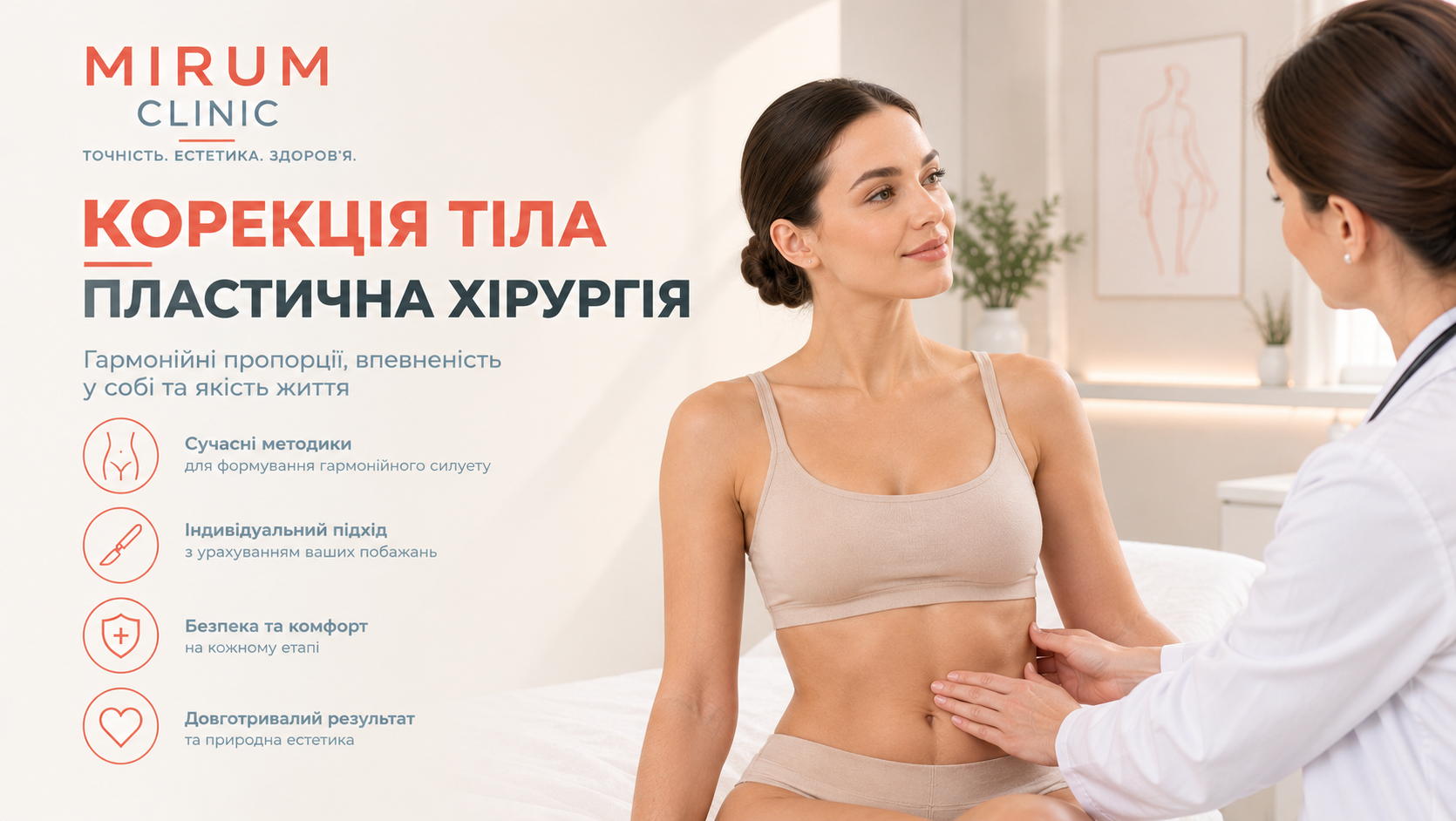
Body Contouring
About the procedure
Body contouring is a field of plastic surgery that helps restore the proportions, shape, and contours of the body when they have changed due to weight fluctuations, aging, pregnancy, or individual anatomical characteristics. It is important to understand that this is not about “losing weight through surgery,” but about correcting established changes that cannot be eliminated through exercise or diet.
These procedures include various types of surgical intervention, such as diastasis repair (correction of separation of the abdominal muscles), body lift or 360° torsoplasty, buttock lift or augmentation, as well as reconstructive surgery for tissue defects. All of these methods are aimed at restoring normal anatomy and creating more harmonious body contours.
For example, with diastasis, the abdominal muscles separate and may not return to their normal position even after exercise. In such cases, they are sutured together to restore abdominal function and shape. A body lift is a more comprehensive procedure that allows the tissues around the entire circumference of the torso to be tightened, particularly after significant weight loss. A buttock lift or augmentation helps correct the shape and position of this area, which often changes with age or after weight loss.
This is a comprehensive approach in which the doctor considers not just one area but the body as a whole, helping achieve a natural and proportionate result.
When is it recommended?
Body contouring may be recommended when there are significant changes that cannot be adequately corrected without surgery. This most often concerns people after significant weight loss, when the skin and tissues do not contract sufficiently and excess tissue remains.
It may also be appropriate after pregnancy, when issues such as abdominal muscle separation, loss of skin tone, or changes in the shape of the buttocks may occur. In such cases, even an active lifestyle does not always produce the desired result.
These procedures may also be recommended for localized changes, such as sagging buttocks or insufficient volume in this area, asymmetry, or tissue defects following injuries or surgery.
Reconstructive procedures are another important area, particularly when tissues need to be restored after injury or removal of a growth. In such cases, specialized plastic surgery techniques are used to preserve the most natural appearance possible.
It is important that the decision to undergo surgery is based not only on the patient’s wishes, but also on their health status, expectations, and the realistic possibilities of achieving the desired result.
Why is it important?
- Changes in the body can affect not only appearance but also physical comfort. For example, abdominal muscle separation may contribute to postural problems, back pain, or a feeling of weakness in the abdominal muscles. Excess skin may cause irritation, discomfort, and limitations in physical activity.
- Body contouring allows these concerns to be addressed comprehensively. It is not only about aesthetics, but also about functionality, helping the body function as it should.
- It can also have a significant impact on self-esteem. After significant weight loss or other body changes, many people may still feel dissatisfied with the result because of excess skin or altered body contours. Surgical correction can help complete this process and allow patients to fully appreciate the changes they have achieved.
Modern techniques focus on achieving a natural appearance. The doctor does not “create a new body,” but restores proportions that look harmonious and correspond to the individual’s anatomical characteristics.
How is the procedure performed?
Body contouring procedures are performed under anesthesia and can vary significantly in scope and duration. For example, diastasis repair may be performed endoscopically through small incisions, which helps minimize tissue trauma and shorten the recovery period.
A body lift or 360° torsoplasty is a more extensive procedure in which the doctor works with the tissues around the entire circumference of the torso, removing excess skin, tightening the tissues, and creating new body contours.
A buttock lift involves correcting the position of the tissues, while augmentation adds volume using implants or other techniques. The surgical approach is selected individually in each case.
Reconstructive procedures for tissue defects are performed using local tissues or specialized flap techniques to restore the shape and function as fully as possible.
Swelling, bruising, and a feeling of tightness may occur after surgery. These are normal responses of the body to the intervention. Recovery depends on the extent of the procedure and may take from several weeks to several months.
Patient preparation
- Preparation begins with a consultation during which the doctor evaluates the condition of the tissues, discusses the desired outcome, and explains which correction options are appropriate for you.
- Standard tests are performed before surgery to ensure that the procedure can be carried out safely. Additional examinations may be recommended in some cases.
- Several days before the procedure, it is recommended to avoid alcohol, smoking, and medications that affect blood clotting, if this has been agreed with your doctor.
- On the day of the procedure, it is important to be in a stable state of health and have no signs of illness. After surgery, you should follow the recommendations, including wearing compression garments, limiting physical activity, and attending follow-up appointments.
This is an important stage, as proper recovery plays a significant role in determining the final result and how long it lasts.