

Facial Correction
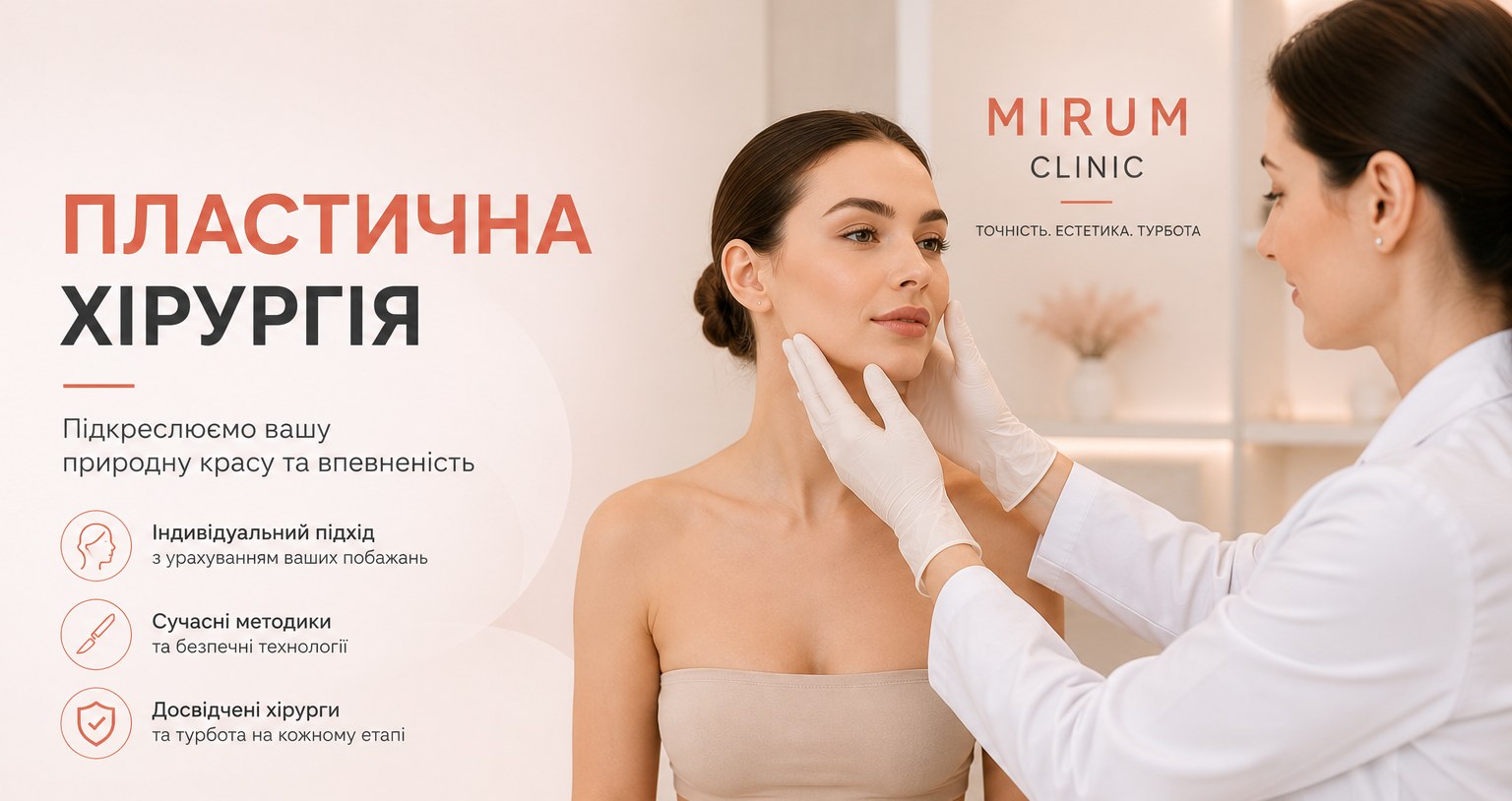
Facial Correction
About the Procedure
Facial correction is a surgical field focused on changing or restoring the proportions and contours of the face when they are affected by age-related changes, loss of volume, or individual tissue characteristics. In this case, the focus is on working with the patient’s own tissues, without “foreign” materials, using what is already present in the body to achieve the most natural-looking result.
With age, the face changes not only because of wrinkles, as is often assumed, but also due to loss of volume, tissue descent, and changes in tissue structure. The cheeks may become less defined, hollows may appear, the facial contour may change, and nasolabial folds or a “tired” appearance may develop. There are also cases of hypertrophy, meaning an excess of tissue in certain areas that affects facial harmony.
Correction can either add volume where it is lacking or reduce it where there is an excess, while maintaining a delicate approach that takes the natural features of the face into account.
When Is It Recommended?
- These procedures may be recommended when age-related changes can no longer be adequately corrected with skincare or injectable treatments. For example, when the face looks “tired,” tissues begin to sag, the facial contour changes, or the definition of the contours is lost.
- Facial correction may also be appropriate in cases of asymmetry or individual anatomical features when there is an imbalance between different areas, such as insufficient volume in the cheeks or, conversely, excessive volume in certain areas.
- Correction may also be considered after injuries or previous procedures when it is necessary to restore the shape of the face and make it look more natural.
- It is also an option for those who want a longer-lasting result than injectable treatments can provide while avoiding the use of artificial materials.
Why Is It Important?
The face is one of the first things people notice, and even subtle changes can significantly affect the perception of appearance. When the volume or position of tissues changes, this may make a person look older, create an impression of fatigue, or alter facial expression.
Correction using the patient’s own tissues allows the surgeon to address not only the surface but also the underlying causes of these changes. This means the result can look more natural and last longer.
It is also important that these techniques can help avoid an “overfilled” appearance that may sometimes occur with excessive use of fillers. The face looks fresher while still looking like you.
In addition to the aesthetic aspect, facial correction can contribute to greater comfort and self-confidence when the reflection in the mirror corresponds to how you feel about yourself.
How Is the Procedure Performed?
Facial correction procedures are performed under anesthesia, and the extent of the intervention depends on the specific goal. If additional volume is needed, the patient’s own tissue may be used, such as fat that is harvested and then injected into the required areas.
If there is excess tissue or hypertrophy, the doctor may perform a delicate correction to restore balance and facial proportions.
In some cases, the procedure may include lifting the tissues to return them to a more youthful position. All procedures are performed with consideration of the facial anatomy to ensure a natural-looking result.
The duration depends on the complexity of the procedure and may range from one to several hours. Swelling or bruising may occur after the procedure and gradually subside.
Patient Preparation
- Preparation begins with a consultation during which the doctor carefully evaluates the face, its proportions, and the condition of the tissues, as well as discusses the patient’s expectations. This is important for developing the appropriate treatment strategy and achieving a harmonious result.
- Standard tests are performed before the procedure to ensure that the intervention can be carried out safely. It is important to inform the doctor about all medical conditions and medications you are taking.
- Several days before the procedure, it is recommended to avoid alcohol, smoking, and medications that affect blood clotting, if this has been agreed with your doctor.
- After the correction, it is important to follow the doctor’s recommendations, limit physical activity, avoid trauma to the treatment area, and attend follow-up appointments.
This helps ensure proper healing and achieve the most natural, stable, and long-lasting result.