
Plastic Surgery
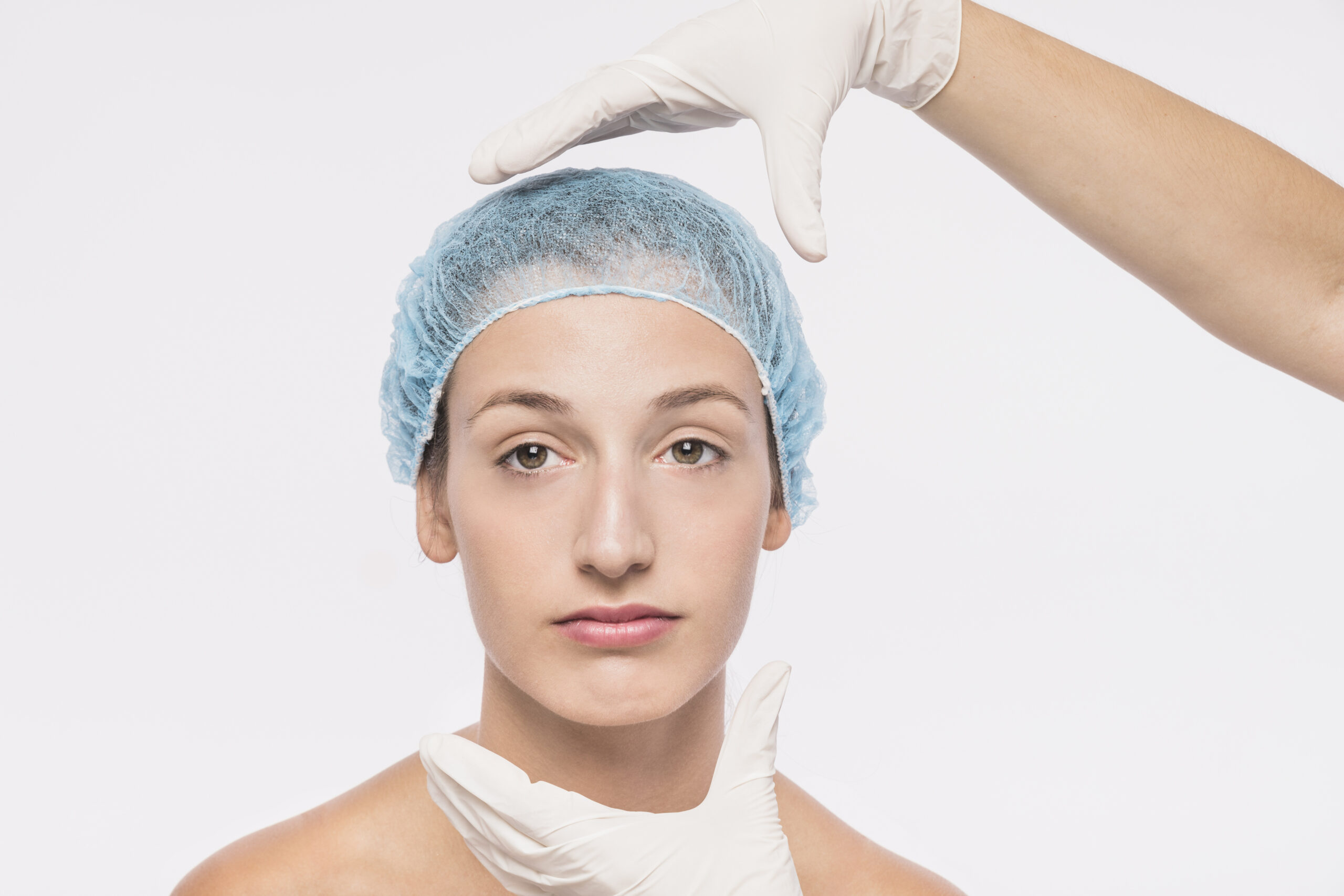
Plastic Surgery
Plastic surgery is an independent medical specialty that combines aesthetic and reconstructive approaches, addressing not only appearance but also a person’s overall physical and psychological well-being. Its goal is to improve appearance, restore the anatomical integrity of tissues and structures, and enhance the patient’s quality of life. In many cases, plastic surgery helps people regain self-confidence, eliminate functional limitations, or address the consequences of diseases, injuries, or congenital conditions.
It is important to understand that modern plastic surgery is not simply about changing appearance. It is about achieving harmonious proportions, preserving natural features and individuality, and ensuring the complete functional safety of every procedure. A surgeon works with living tissues, blood supply, innervation, and the body’s natural contours, so every operation must be anatomically justified and physiologically appropriate. An aesthetic result should always be combined with the normal functioning of organs and body systems.
The key principle of modern plastic surgery is not to “make things different,” but to make them right. This means avoiding standardized solutions and imposed beauty standards. Every procedure is planned according to the individual’s anatomical features, age, tissue characteristics, skin condition, overall health, and lifestyle. What may be appropriate and safe for one patient may not necessarily be suitable for another.
Communication between the doctor and patient is especially important. During the consultation, it is essential not only to understand the patient’s wishes but also to accurately assess the actual possibilities of surgery, potential limitations, and expected results. That is why every decision is made individually, following a detailed examination, assessment of medical factors, and an open discussion of all stages of treatment. This approach helps achieve a result that looks natural, meets the patient’s expectations, and does not compromise their long-term health.
When to See a Plastic Surgeon
There are many reasons to consult a plastic surgeon. For some people, it is a desire to correct physical features that cause discomfort or affect their self-confidence. For others, it is the need for reconstruction following injuries, surgery, or congenital conditions.
Plastic surgery is also an important part of comprehensive treatment after cancer surgery, significant weight loss, or complex surgical procedures when restoring tissue shape and improving functional outcomes is necessary.
Areas of Plastic Surgery
Plastic surgery covers a wide range of procedures. Aesthetic surgery aims to improve appearance while taking individual proportions and natural features into account. These procedures may involve the face, body, or breasts.
Reconstructive plastic surgery aims to restore anatomy and function following injuries, diseases, or congenital abnormalities. In these cases, the aesthetic result is important but always secondary to safety and functionality.
Plastic Surgeon Consultation
The first and most important step in plastic surgery is the consultation. The doctor carefully listens to the patient, clarifies their expectations, assesses their anatomical features and overall health. Possible treatment options, their limitations, risks, and realistic outcomes are discussed in detail.
A plastic surgeon does not offer standard solutions. Their task is to explain what result is possible in a particular case and whether surgical intervention is appropriate at all.
Preparation and Safety
Plastic surgery begins long before entering the operating room. Before the procedure, the patient undergoes the necessary laboratory and diagnostic examinations, consultations with relevant specialists, and an assessment by an anesthesiologist.
Safety is a priority at every stage. Therefore, surgery is recommended only when there are no contraindications and the expected benefits outweigh the potential risks.
Postoperative Recovery and Results
The recovery period is an integral part of plastic surgery. The doctor provides detailed instructions on care, restrictions, and the expected timeline for returning to normal activities. Follow-up examinations help monitor the healing process and respond promptly to any changes.
The result of plastic surgery cannot be assessed immediately. Tissues need time to fully recover, develop their final contours, and adapt. Patience and following the doctor’s recommendations are key to achieving the desired outcome.
Why Choose Plastic Surgery at MIRUM Clinic
At MIRUM Clinic, plastic surgery is based on medical appropriateness, aesthetic balance, and respect for the patient’s individuality. We use modern surgical techniques, follow international safety standards, and pay particular attention to the quality of every stage of treatment.
Our goal is not to transform a person beyond recognition, but to help them look harmonious and natural and feel confident in themselves.
Frequently Asked Questions
When should I see a plastic surgeon?
What happens during the consultation?
What is recovery like after surgery?
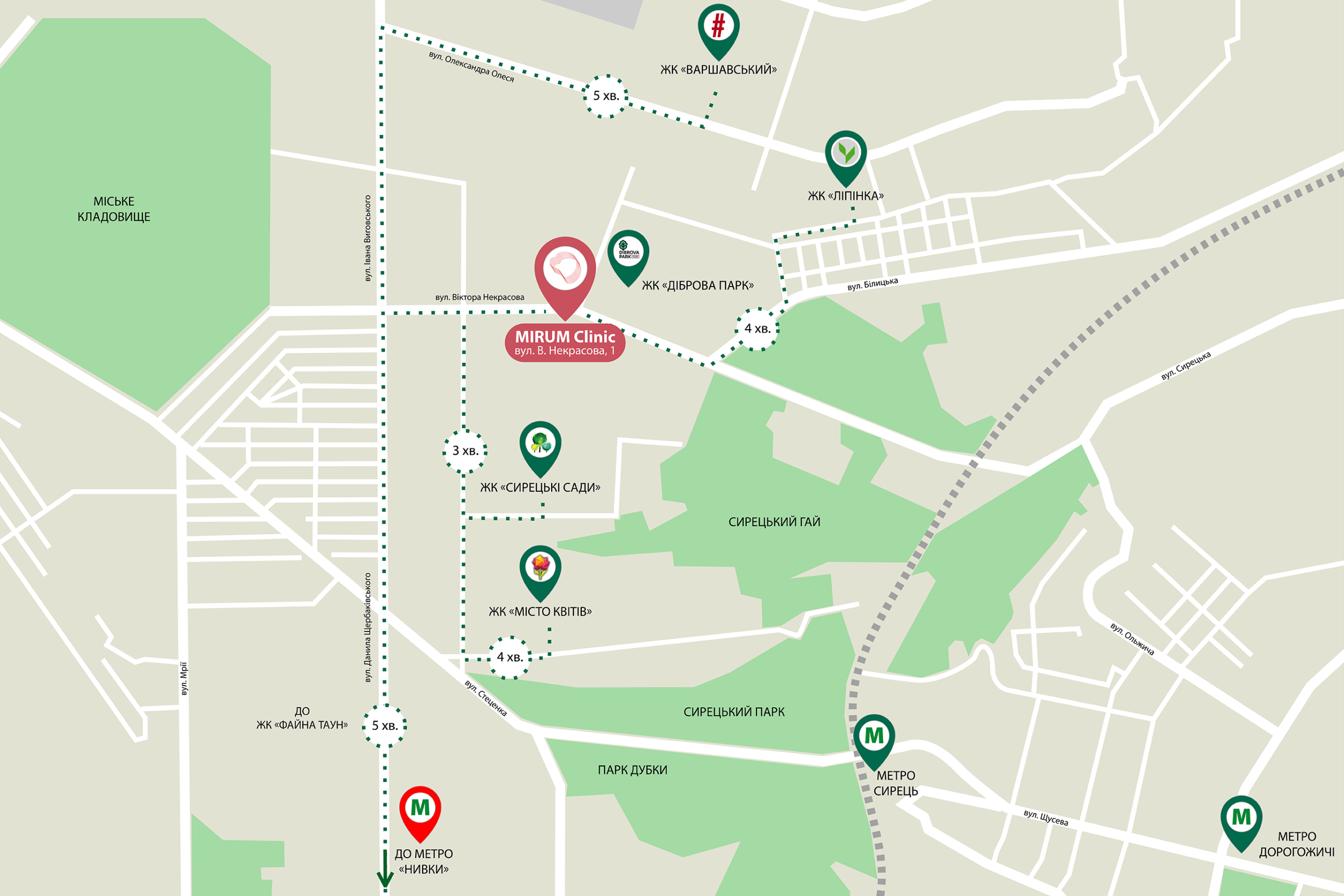
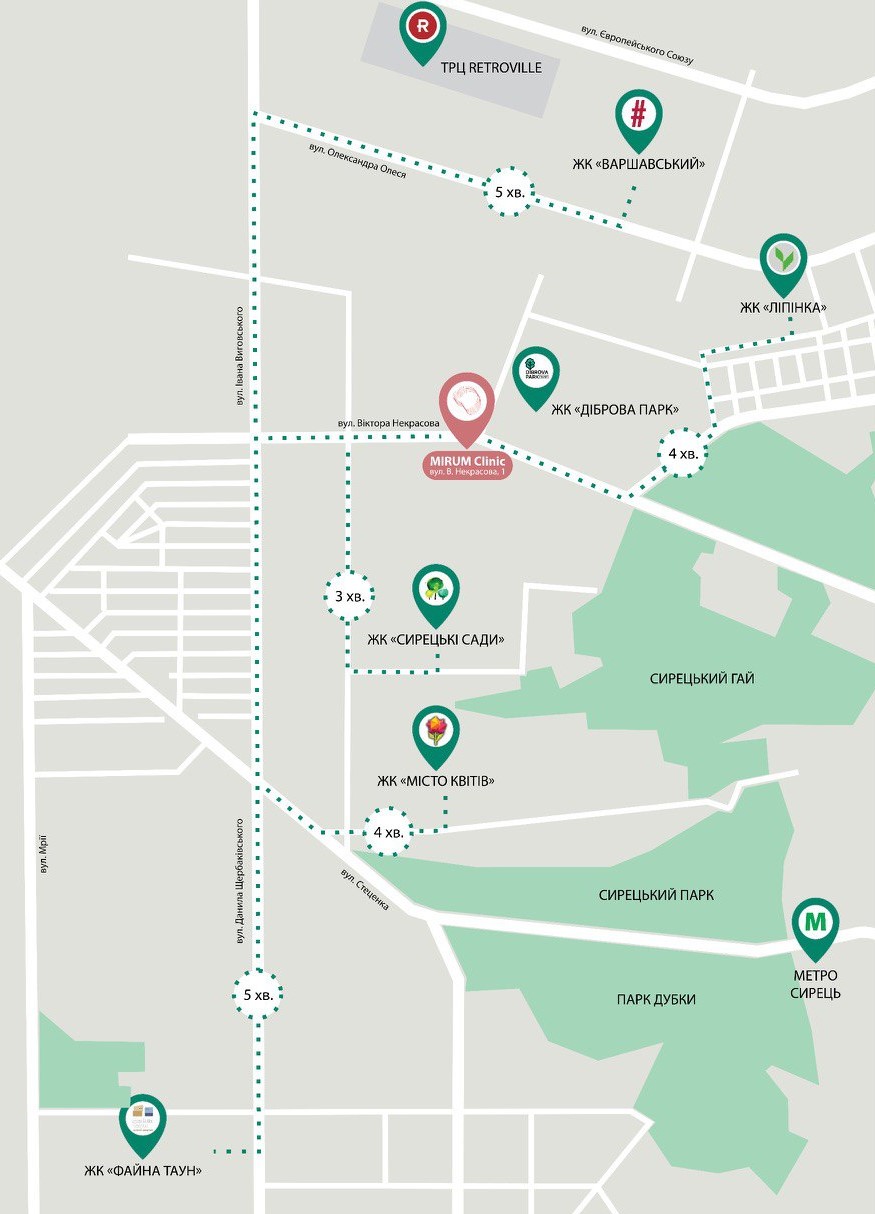
Where are you located?